Community Resilience and Social Dynamics Study
About the Research
Understanding the context, questions and approach behind this research.
Background
Communities across Somalia experience interconnected social, economic, and environmental pressures that influence livelihoods, relationships, access to services, and local resilience. Understanding these dynamics requires research that goes beyond quantitative indicators and considers community perceptions, social relationships, behavioral patterns, and locally developed coping mechanisms.
Research Purpose
The study explores how individuals, households, and communities understand and respond to changing social and development conditions. It aims to generate locally grounded evidence that can contribute to informed policy, programming, and community engagement.
Objectives
The study aims to:
- Examine community perceptions of key social and development challenges.
- Understand social relationships and factors influencing community cohesion.
- Explore behavioral patterns and decision-making processes.
- Examine community participation and collective action.
- Identify local coping mechanisms and resilience strategies.
- Consider the experiences and perspectives of women, youth, and other potentially vulnerable groups.
- Identify factors that may strengthen or weaken community resilience.
Key Issues / Research Questions
The research will explore questions including:
- What are the main social and development challenges perceived by communities?
- How do communities respond to changing social and economic conditions?
- What factors influence community cohesion and collective action?
- What coping and resilience mechanisms are being used at community level?
- How do social and behavioral dynamics influence development outcomes?
- How do women, youth, and vulnerable groups experience and respond to these challenges?
- What factors contribute to stronger and more resilient communities?
Methodology
The study will use a mixed-methods research approach appropriate to the research context and study objectives.
Potential methods may include:
- Household surveys
- Key informant interviews
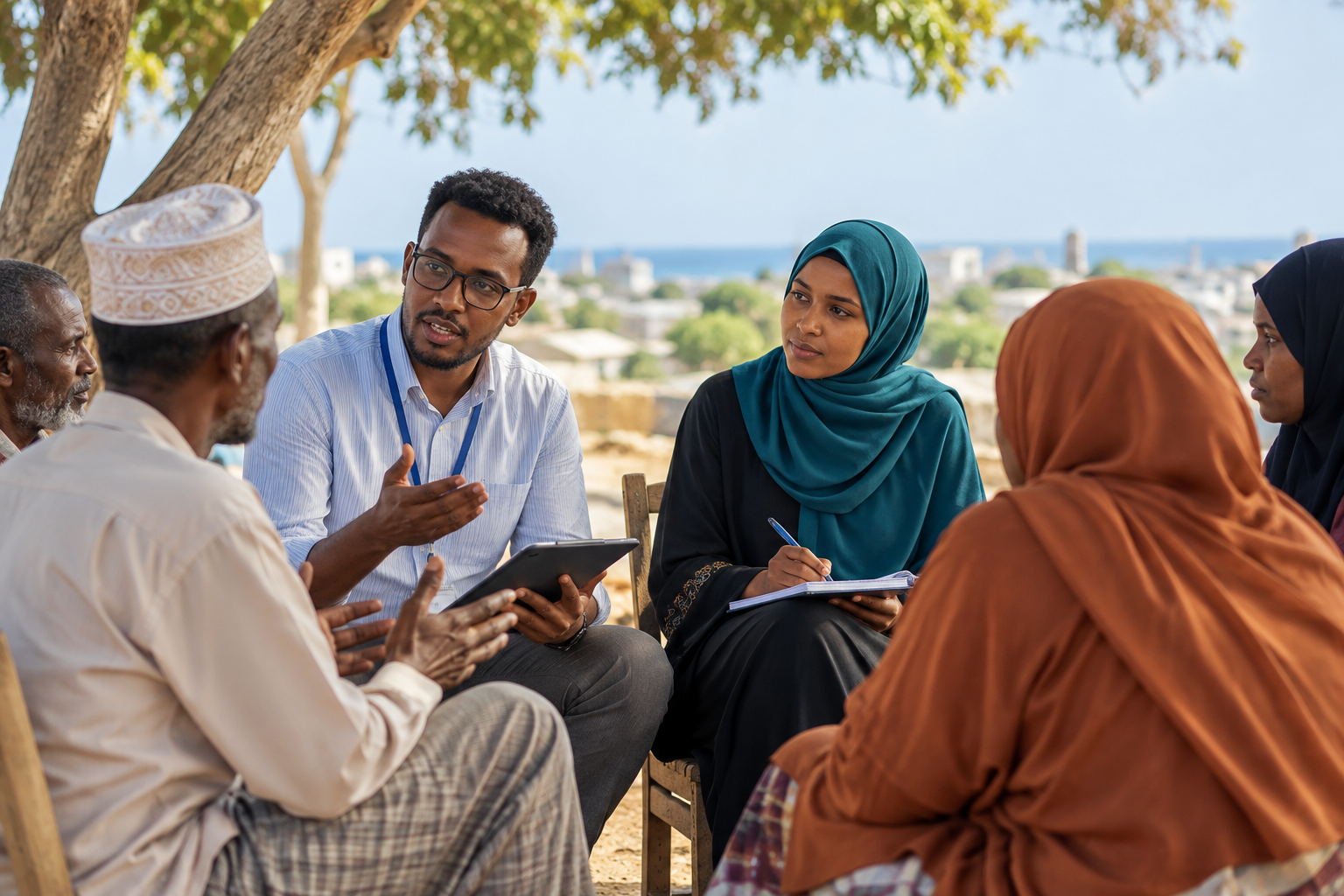
- Focus group discussions
- Community consultations
- Stakeholder interviews
- Review and analysis of relevant secondary information
Research activities will be designed to promote informed participation, confidentiality, ethical research practice, and respect for local perspectives and experiences.
The specific sampling approach, research instruments, and data collection methods will be determined according to the study design, geographical context, and research requirements.
Findings
The study is ongoing. Findings are not yet available.
Findings will be documented and communicated through appropriate ISDR research and knowledge products following analysis and validation of the evidence.
Outcomes / Impact
The study is expected to contribute locally grounded evidence that can help policymakers, development partners, civil society organizations, and communities better understand social dynamics and resilience.
The evidence may support:
- More context-sensitive programming
- Improved community engagement
- Better understanding of social and behavioral factors
- Evidence-informed policy and decision-making
- Identification of opportunities to strengthen community resilience
ISDR Research Perspective
The study reflects ISDR's commitment to credible, impartial, and evidence-based research that connects rigorous inquiry with practical decision-making and real-world impact.
Related Publications
Community Resilience and Social Dynamics in Somalia: Understanding Local Capacities and Behavioral Responses
An ISDR research brief exploring the social dynamics, community relationships and local capacities that influence how communities respond to social, economic and environmental challenges in Somalia.
Read publication →Looking for research and evidence to support your work?
ISDR works with organisations to generate evidence, strengthen understanding and inform better decisions.