Community-Based Biodiversity and Natural Resource Conservation Study
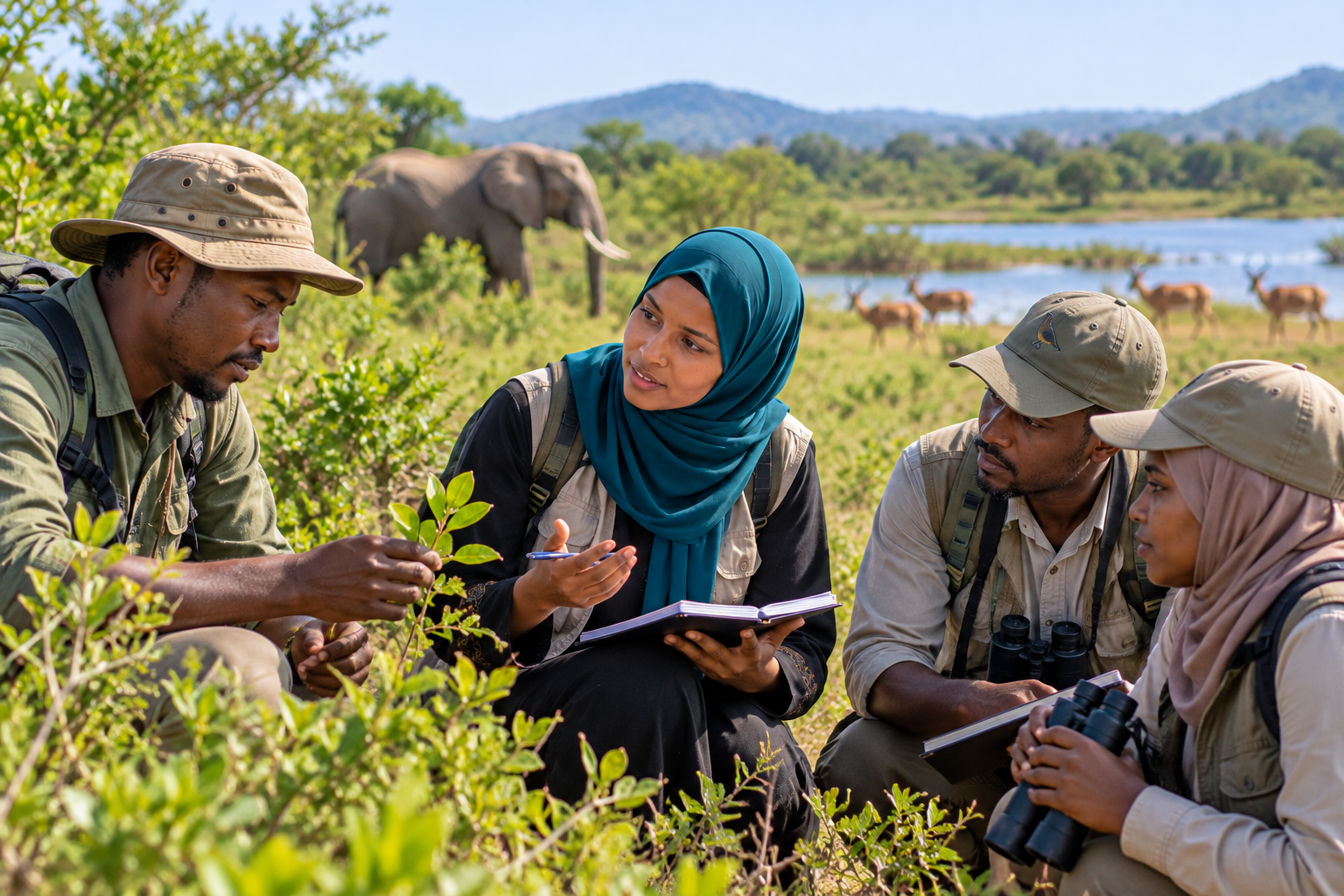
About the Research
Understanding the context, questions and approach behind this research.
Background
Somalia's ecosystems and natural resources support livelihoods, food security and community well-being. However, environmental pressures, changing land-use patterns, resource use and climate-related challenges can place increasing pressure on ecosystems and biodiversity.
Understanding these pressures and the ways communities interact with and manage natural resources is important for developing conservation approaches that are locally appropriate, sustainable and responsive to community needs.
Research Purpose
This study aims to examine biodiversity and natural resource pressures and explore community-based approaches to conservation and sustainable environmental management.
The research will generate evidence on community perspectives, environmental challenges and potential opportunities for strengthening conservation practices and long-term ecological resilience.
Objectives
The study aims to:
- Examine key pressures affecting ecosystems and natural resources.
- Explore community perceptions of biodiversity and environmental change.
- Understand how communities use and manage natural resources.
- Identify local conservation practices and knowledge.
- Examine factors that may contribute to environmental degradation.
- Explore opportunities for community participation in conservation.
- Identify approaches that can support sustainable natural resource management.
Key Issues / Research Questions
The research will explore questions including:
- What are the major pressures affecting local ecosystems and natural resources?
- How do communities perceive changes in their natural environment?
- How are natural resources currently used and managed?
- What traditional or locally developed conservation practices exist?
- What factors contribute to environmental degradation?
- How do climate and livelihood pressures affect natural resource management?
- What opportunities exist for greater community participation in conservation?
- What approaches could support sustainable biodiversity and natural resource management?
Methodology
The study will use a mixed-methods approach appropriate to the research context and study objectives.
Potential methods may include:
- Review of relevant environmental and biodiversity information
- Community consultations
- Key informant interviews
- Focus group discussions
- Household or community surveys where appropriate
- Stakeholder interviews
- Review of available secondary data and research
- Documentation of relevant local environmental knowledge and conservation practices
The research will seek to combine available evidence with community perspectives and locally relevant knowledge.
Research activities will follow appropriate ethical principles, including informed participation, confidentiality and respect for community knowledge and experiences.
The final study locations, sampling strategy and research instruments will be determined according to the research design.
Findings
The study has not yet commenced. Findings are not available at this stage.
Findings will be documented following completion of data collection, analysis and validation.
Outcomes / Impact
The study is expected to contribute evidence that can support:
- Better understanding of biodiversity and natural resource pressures
- Community-based conservation approaches
- Sustainable natural resource management
- Stronger environmental safeguarding
- Integration of local knowledge into conservation planning
- Evidence-informed environmental policies and programmes
- Identification of areas requiring further research or conservation action
ISDR Research Perspective
The study reflects ISDR's commitment to evidence-based research that supports environmental stewardship, biodiversity conservation and sustainable development while recognizing the importance of community participation and locally grounded knowledge.
Related Publications
Looking for research and evidence to support your work?
ISDR works with organisations to generate evidence, strengthen understanding and inform better decisions.